Phoenix Metro • Free Quotes
Commercial & Warehouse Floor Coatings
Industrial-grade polyurea built for forklifts, chemicals, and impact — coated over a weekend so you run Monday.
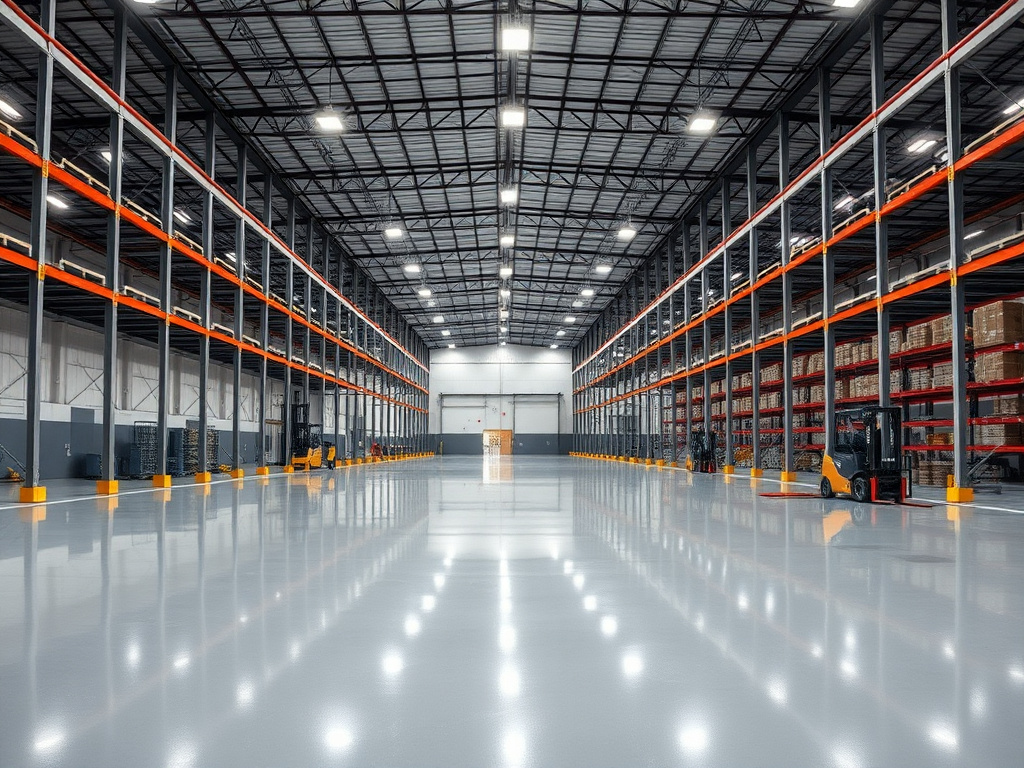
A warehouse floor in Phoenix works harder than almost any surface on the property — forklift traffic all shift, dropped pallets, spilled chemicals, and slab temperatures that swing with the desert. Our industrial polyurea and polyaspartic systems are built for exactly that punishment: forklift-rated hardness, chemical and abrasion resistance, and a fast cure that lets us coat over a weekend so you run production Monday morning. We coat the floor around your operation, not the other way around.
Weekend
Return to Service
Fast-cure polyaspartic lets us coat Saturday and have you running Monday.
Forklift-rated
Built for Hard Traffic
High-build systems take pallet jacks, forklifts, and dropped loads.
Chemical-resistant
Shrugs Off Spills
Oils, solvents, and battery acid wipe up instead of soaking in.
Industrial-Grade Polyurea and Polyaspartic for High-Traffic Floors
Bare concrete looks tough, but under real warehouse traffic it dusts, cracks, and stains within a year or two. Forklift wheels grind fine concrete dust into the air, oil and hydraulic fluid soak into the pores, and every joint becomes a chip point. An industrial coating system turns that porous slab into a dense, sealed, monolithic surface that takes the abuse instead of absorbing it.
We build these floors in layers matched to the load: a penetrating primer that anchors into the prepped concrete, a high-build body coat that carries the abrasion and impact resistance, and a polyaspartic topcoat that cures fast and seals everything under a hard, cleanable surface. Polyurea and polyaspartic chemistries flex slightly with the slab, which is why they resist the cracking and delamination that plague brittle old-style products.
The whole system is engineered for facilities that can't shut down for a week. It goes down fast, cures fast, and hands you a floor that will outlast the next several years of hard use.
Chemical, Abrasion and Impact Resistance for Warehouses and Shops
The reason bare concrete fails is that it is porous and soft compared to what runs across it. Our systems close those pores and put a hard, resilient film between your operation and the slab. That film is what stands up to the specific hazards a working facility throws at a floor day after day.
- Chemical resistance — oils, greases, hydraulic fluid, solvents, and battery acid bead up and wipe away instead of staining.
- Abrasion resistance — forklift and pallet-jack wheels grind against a hardened surface, not soft concrete that dusts.
- Impact resistance — dropped tools, pallets, and parts chip a flexible high-build coating far less than brittle concrete.
- Thermal tolerance — the system holds up through the daily temperature swing of a Phoenix warehouse slab.
- Stain and moisture resistance — a sealed surface keeps spills on top where they can be cleaned, not soaked in.
Fast Return-to-Service: Coat Over a Weekend, Run Monday
Downtime is the real cost of a floor project, and it's exactly what polyaspartic chemistry is built to eliminate. Where old-style epoxy can need days between coats and a long final cure, a polyaspartic system cures fast enough that we can prep, coat, and top a bay over a single weekend and hand it back ready for traffic.
For most warehouses that means we mobilize after Friday's shift, complete surface prep and coating on Saturday and Sunday, and you drive a forklift across it Monday morning. Cure times shift with slab temperature and system thickness, so we confirm the exact schedule for your facility up front — but a weekend turnaround is the norm, not the exception.
Safety: OSHA Slip-Resistance, Line Striping and Wayfinding
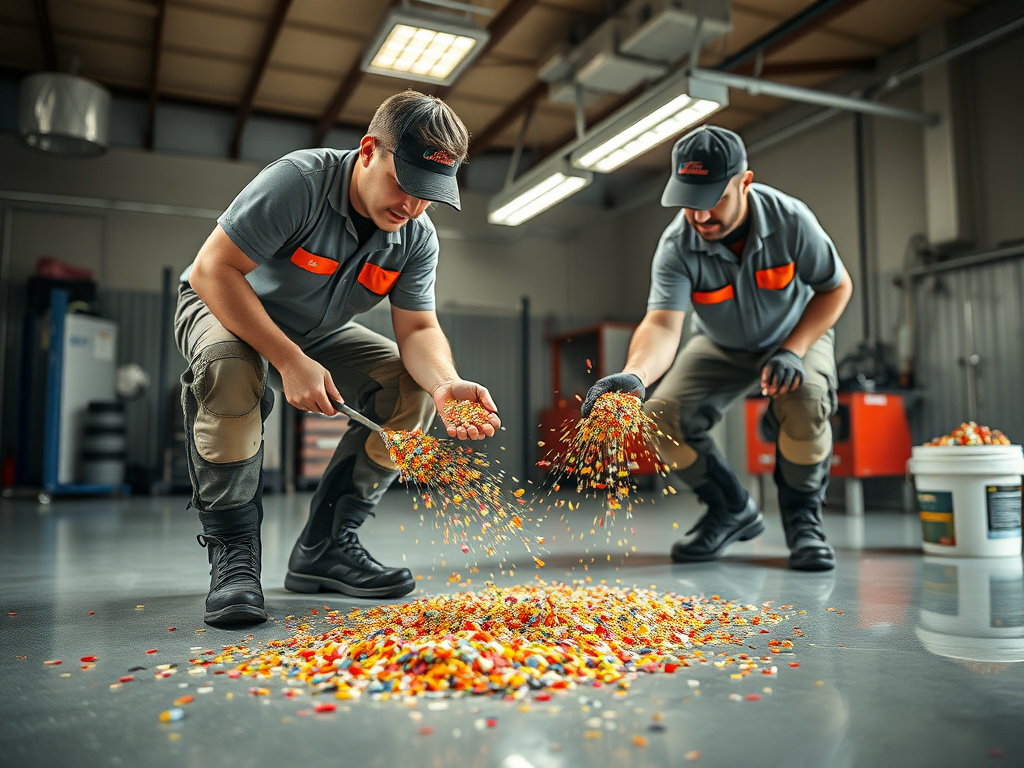
A working floor has to be safe and legible, not just durable. We build slip resistance directly into the coating with a broadcast aggregate, and we tune the profile to the zone — an aggressive texture on ramps, loading areas, and wet spots, a smoother finish where clean-down and cart movement matter more. That keeps the surface compliant with OSHA walking-working-surface expectations without making it hard to sweep or squeegee.
We also lay out the traffic pattern in the coating itself. Line striping marks aisles, forklift lanes, and pedestrian walkways; safety-yellow or red zones flag hazards and equipment clearances; and directional markings and floor signage guide traffic through the space. Because the striping is coated in rather than painted on top, it stands up to the same forklift traffic as the rest of the floor instead of scuffing off in a month.
Applications: Matching the System to Your Facility
Not every industrial floor needs the same buildup. A high-throughput distribution center, a machine shop dealing with cutting fluids, and a food-and-beverage facility with washdown and sanitation requirements each call for a different combination of thickness, texture, and topcoat. We spec the system to how the floor is actually used.
The table below shows the common facility types we coat, the system we typically recommend for each, and the benefit that drives that choice.
| Facility Type | Recommended System | Key Benefit |
|---|---|---|
| Warehouse / distribution | High-build polyaspartic + broadcast texture | Forklift durability with a weekend install |
| Manufacturing | Polyurea body coat + chemical-resistant topcoat | Stands up to oils, coolants, and impact |
| Auto / equipment shop | Full flake system + slip texture | Hides wear, resists hot tires and fluids |
| Aircraft hangar | Thick-film polyaspartic, high-gloss | Fuel and solvent resistance, easy cleanup |
| Food / beverage | Seamless polyurea + aggressive texture | Washdown-friendly, sanitary, slip-safe |
Minimizing Downtime: Phased Installs and Getting a Bid
Some facilities can't give up the whole floor even for a weekend. For those, we phase the work — coating one bay, aisle, or half the building at a time and moving through the space so operations keep running around the active zone. We also run after-hours and overnight installs when a full shutdown isn't an option, timing the work to your production calendar.
Commercial pricing is driven by square footage, slab condition, the system spec your operation calls for, and how the schedule has to be staged. Heavy surface prep, extensive crack and joint repair, or moisture mitigation on a problem slab all factor in. Rather than quote from a template, we walk the facility, assess the concrete, and build a firm bid around your real conditions and downtime constraints.
Call 844-967-5247 to schedule a walkthrough, and we'll put together a scope and price built around keeping your operation moving.
Common Questions
Commercial & Warehouse FAQs
Straight answers from a Phoenix floor-coating contractor. More on our full FAQ page.
Have a different question? Read all our FAQs or see our 2026 polyurea vs epoxy guide.
Related Services
You Might Also Need

Showroom & Retail
High-gloss metallic and custom-color finishes that make showrooms, dealerships, and retail floors sell — with commercial durability.
Concrete Repair & Prep
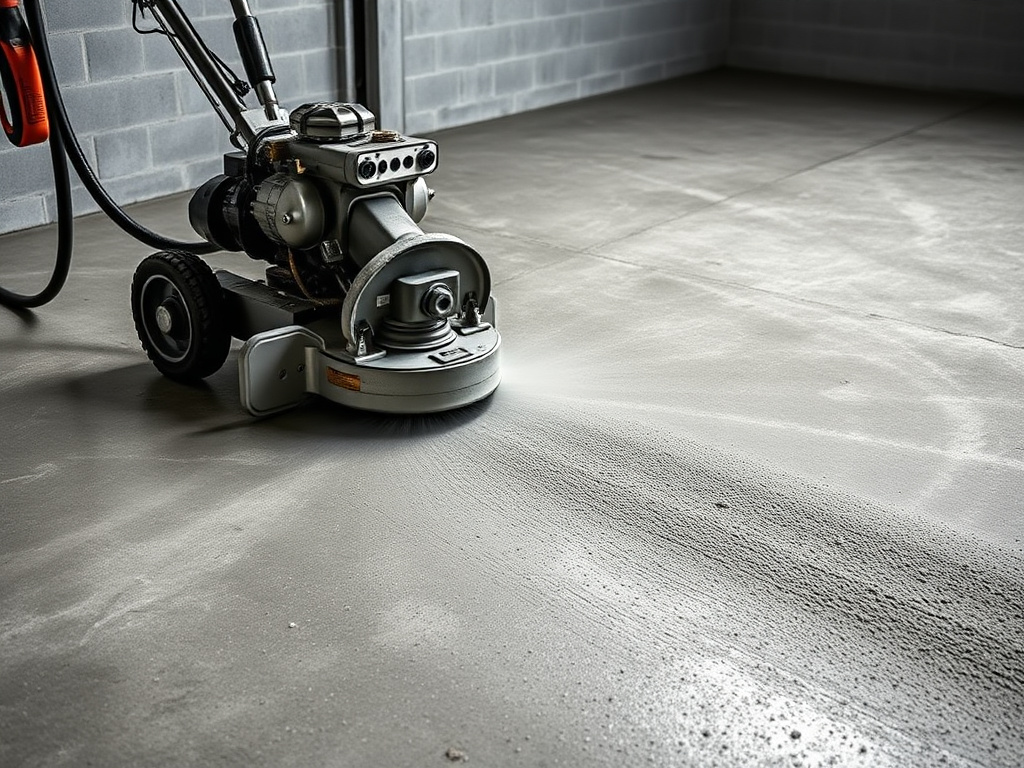
The floor under the coating decides everything — diamond grinding, crack and spall repair, and moisture testing done right.
Polyaspartic 1-Day
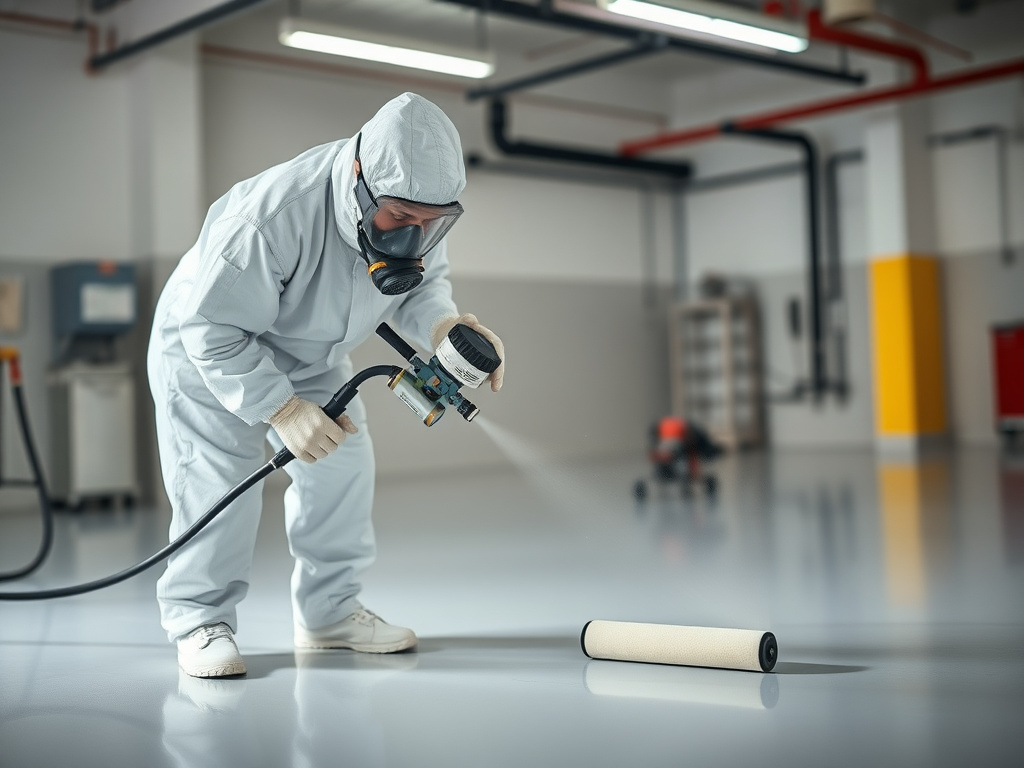
The fast-cure, UV-stable system we grind, coat, and topcoat in one day — walk on it in hours, park on it tomorrow.
Ready for a Floor That Beats the Arizona Heat?
Get a free, no-pressure quote for your garage, patio, pool deck, or commercial floor. We diamond-grind, moisture-test, and install a UV-stable, hot-tire-proof coating — most residential floors done in a single day.