Phoenix Metro • Free Quotes
Polyaspartic 1-Day Floor Coatings
The fast-cure, UV-stable system we grind, coat, and topcoat in one day — walk on it in hours, park on it tomorrow.
A polyaspartic one-day floor system is the fastest way to a permanent, UV-stable garage floor in Phoenix. Polyaspartic is an aliphatic polyurea that cures fast enough to grind, base, flake, and topcoat a garage between breakfast and dinner — then be walked on the same evening and driven on the next day. It will not yellow in the Arizona sun, it flexes through 115-degree heat cycles, and it goes down in weather that would stop epoxy cold.
24 hrs
Drive-On Time
Walk on it hours after the topcoat; park on it after about a day of cure.
0%
Yellowing
Aliphatic chemistry stays color-stable under direct UV, unlike epoxy that ambers.
-30 to 140F
Application Range
Cures across a huge temperature window, so Phoenix heat is no obstacle.
What Polyaspartic Is and Why It Cures So Fast
Polyaspartic is a type of aliphatic polyurea — a two-part reactive coating where a resin and a hardener chemically bond the moment they are mixed. Unlike epoxy, which cures slowly as long molecules crosslink over days, polyaspartic reacts fast and predictably, reaching a walkable film in a couple of hours and a drivable one in about a day.
That fast reactive cure is what makes a genuine one-day install possible. We can grind and base a garage in the morning, broadcast flake, and seal it with a polyaspartic topcoat in the afternoon, and the chemistry keeps pace with the schedule instead of forcing a multi-day return trip.
The same reactivity that makes it fast also makes it a professional install. The material starts curing on its own clock the instant it is mixed, so it rewards a trained crew moving with a plan and punishes anyone treating it like paint.
The Real One-Day Timeline, Hour by Hour
Here is what an actual one-day polyaspartic install looks like for a typical Phoenix garage. Times shift with slab size, temperature, and how much repair the concrete needs, but the sequence and the rough pace hold.
| Time | Step | What Is Happening |
|---|---|---|
| Hour 0-1 | Diamond grinding | Profiling the full slab and vacuuming the dust. |
| Hour 1-2 | Repair and prep | Filling cracks and spalls, spot-grinding repairs flush. |
| Hour 2-3 | Base coat | Rolling the base into the clean profile. |
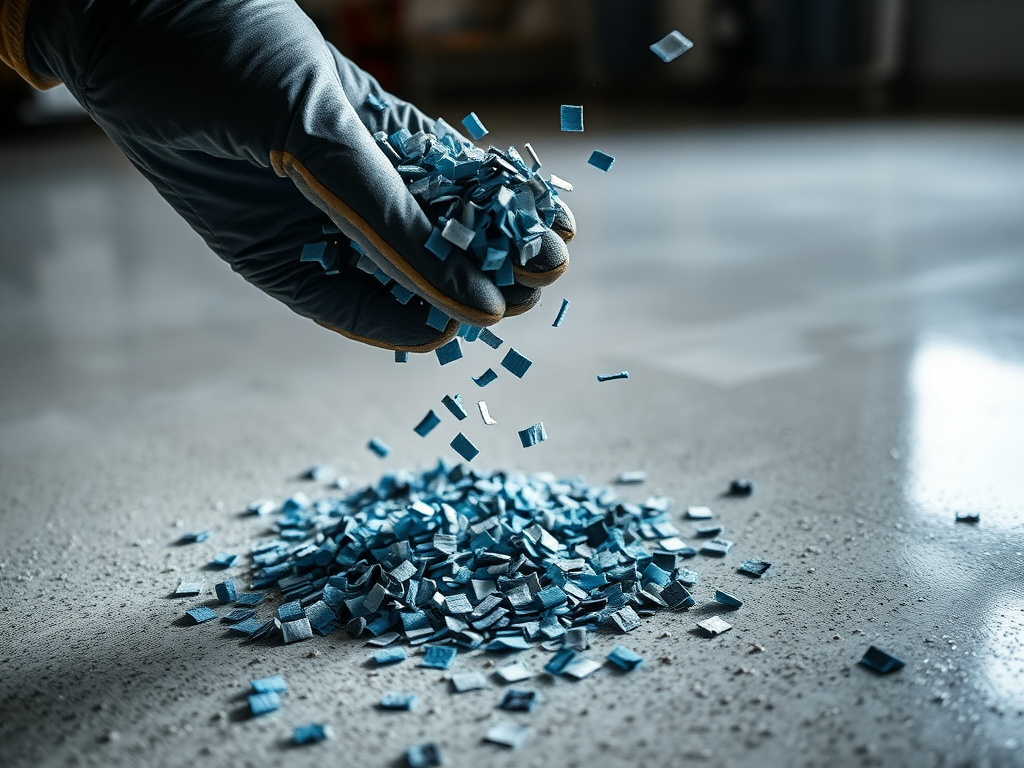
| Hour 3-4 | Flake broadcast | Broadcasting color flake into the wet base to refusal. |
| Hour 4-6 | Scrape and topcoat | Removing loose flake, then sealing under the polyaspartic wear coat. |
| Evening | Foot traffic | Surface is walkable. |
| Next day (~24h) | Vehicle traffic | Cured enough to park and drive on. |
UV Stability: Why It Will Not Yellow in the Arizona Sun
The single biggest advantage of polyaspartic in the desert is UV stability. Coatings are broadly either aromatic or aliphatic. Aromatic chemistries — including standard epoxy and many cheap urethanes — absorb UV and break down, turning amber or yellow and getting chalky. Aliphatic chemistries like polyaspartic are built to resist that reaction.
In a Phoenix garage the sun pours in every time the door opens, and floors near a west-facing door take direct afternoon UV for hours. An epoxy floor in that spot yellows unevenly and looks aged within a couple of years. A polyaspartic topcoat holds its color, so the floor you approve on install day is the floor you still have years later.
This is why, even on a hybrid build with an epoxy base, we put polyaspartic on top. The topcoat is the layer the sun sees, and it needs to be the UV-stable one.
Why the Short Working Window Makes This a Pro-Only Install
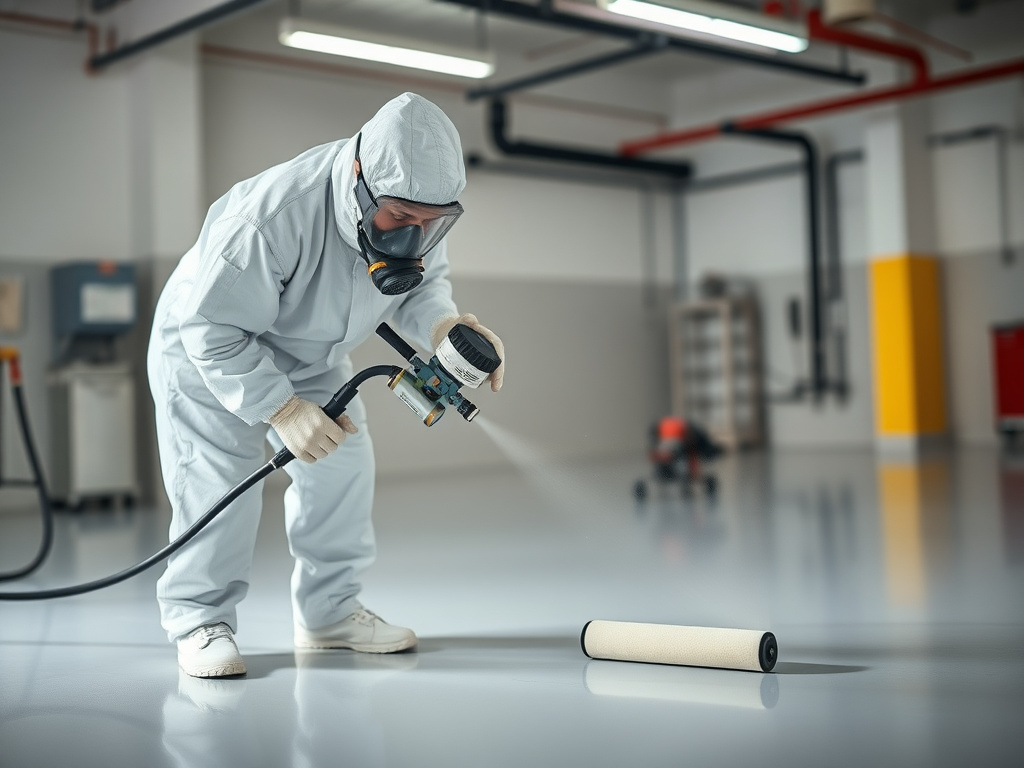
Polyaspartic has a short pot life — often just ten to fifteen minutes of working time once the two parts are mixed. That is a feature, not a flaw: it is why the floor cures so fast. But it also means the material must be mixed in the right batch size and spread evenly before it kicks, or it sets up in the bucket or leaves lap marks and roller ridges on the floor.
A big-box kit hides this problem by using slow chemistry that a homeowner can fumble through over a weekend, which is exactly why those floors do not last. A true polyaspartic system cannot be installed that way. It takes a crew that mixes in controlled batches, keeps a wet edge, and moves in a rehearsed sequence.
That is the honest reason we do not sell a DIY version of this. The chemistry that gives you a one-day, decade-plus floor is the same chemistry that leaves no room for hesitation on the slab.
Polyaspartic vs Epoxy: Flexibility, Abrasion, and Hot Tires
Beyond UV, polyaspartic beats epoxy on the mechanical properties that matter in a working garage. It stays flexible, so it moves with the slab through Arizona's daily thermal swing instead of cracking. It resists abrasion from grit, rolling toolboxes, and jack stands. And critically, it resists hot-tire pickup — the peeling that happens when a summer-hot tire grips a brittle coating and lifts it as it cools.
Epoxy is genuinely good at some things: it lays down thick, bonds strongly as a base, and resists many chemicals. But on its own, in a sun-exposed, hot-tire, high-heat Arizona garage, its rigidity and UV weakness work against it. That is why our preferred build uses epoxy where its strengths help — as a thick base — and polyaspartic where it counts, as the flexible, UV-stable wear layer.
- Flexibility — polyaspartic flexes with heat cycles; epoxy is rigid and can crack.
- UV stability — polyaspartic holds color; epoxy ambers and chalks.
- Hot-tire resistance — polyaspartic resists lift; bare epoxy is prone to pickup.
- Cure speed — polyaspartic supports a one-day install; epoxy needs multiple days.
- Chemical and thickness — epoxy builds thick and resists chemicals well as a base layer.
One-Day Coating Cost and What Is Included
A full one-day polyaspartic flake system for a Phoenix garage generally runs in the same range as our top-tier builds — commonly about five to eight dollars per square foot installed — with the exact number set by slab size and the condition of the concrete. As always, prep drives the price more than the material.
The quote includes the whole system, not just the topcoat: diamond grinding, crack and spall repair, the base coat, the flake broadcast and cleanup, and the polyaspartic wear coat, plus a written workmanship warranty. There is no separate charge later for the prep that makes the floor last.
To get a firm number, call 844-967-5247 for a free on-site assessment. We measure, check moisture, and spec the system to your garage before quoting a price.
Common Questions
Polyaspartic 1-Day FAQs
Straight answers from a Phoenix floor-coating contractor. More on our full FAQ page.
Have a different question? Read all our FAQs or see our 2026 polyurea vs epoxy guide.
Related Services
You Might Also Need
Garage Floor Coating
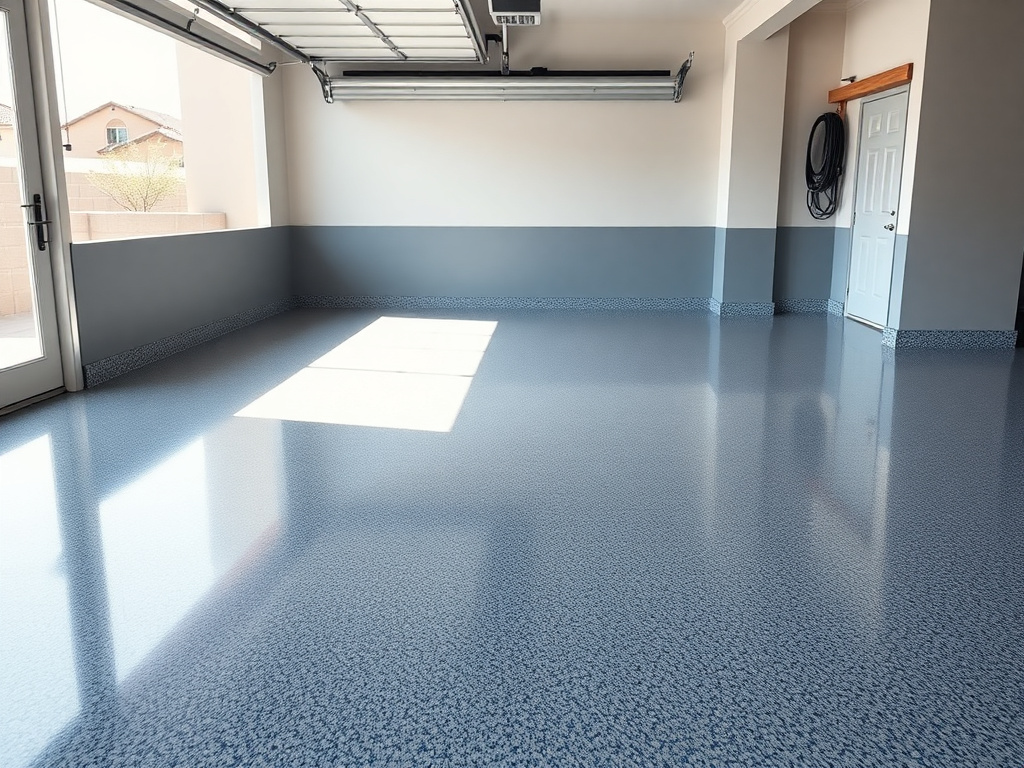
A full flake-and-topcoat system that turns dull, stained concrete into a glossy, hot-tire-proof floor — installed in a single day.
Epoxy Floors
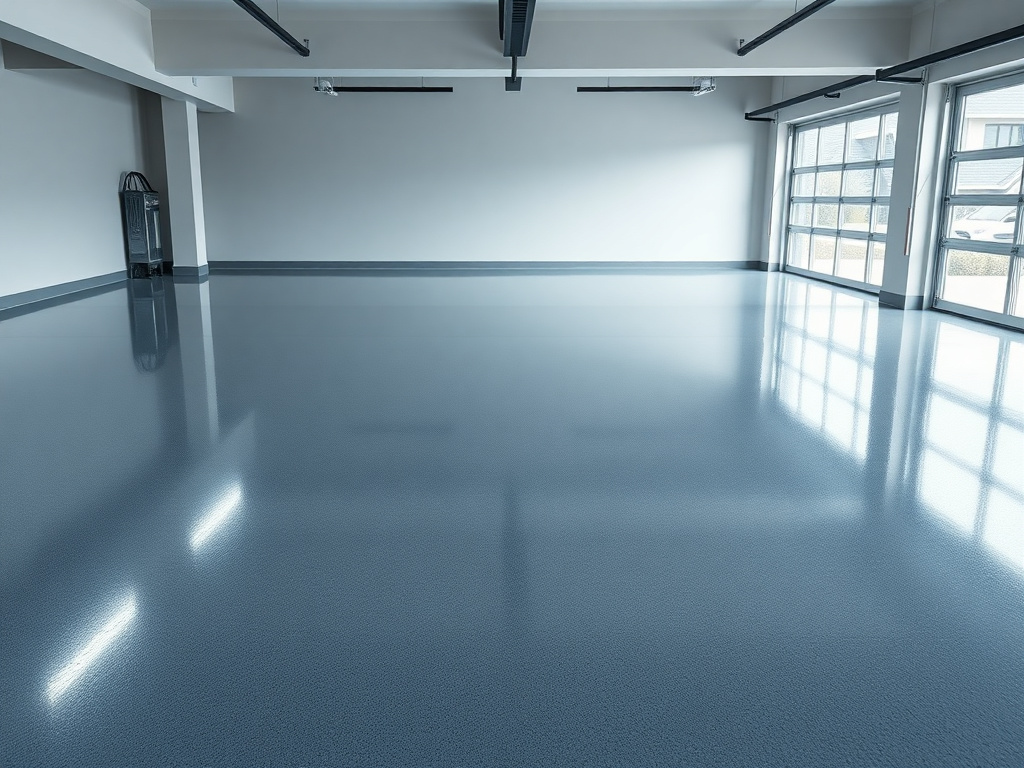
Epoxy done right — with the diamond grinding, moisture testing, and UV-stable topcoat that separate a 10-year floor from a peeling one.
Concrete Repair & Prep
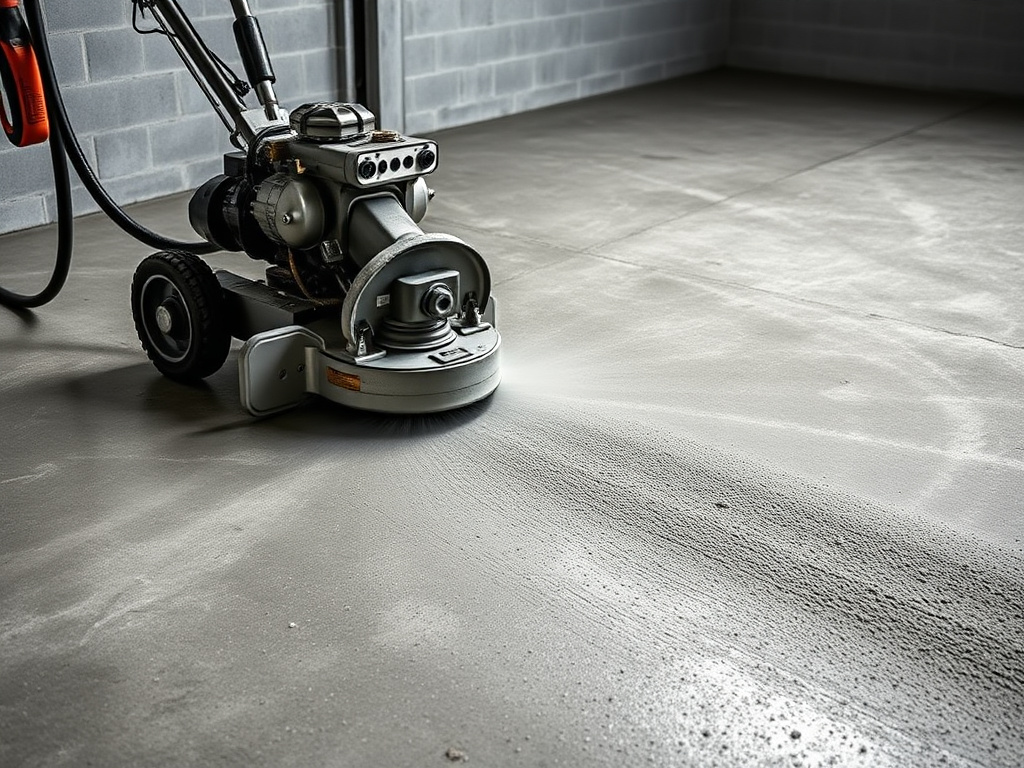
The floor under the coating decides everything — diamond grinding, crack and spall repair, and moisture testing done right.
Ready for a Floor That Beats the Arizona Heat?
Get a free, no-pressure quote for your garage, patio, pool deck, or commercial floor. We diamond-grind, moisture-test, and install a UV-stable, hot-tire-proof coating — most residential floors done in a single day.