Phoenix Metro • Free Quotes
Epoxy Floor Coatings in Phoenix
Epoxy done right — with the diamond grinding, moisture testing, and UV-stable topcoat that separate a 10-year floor from a peeling one.
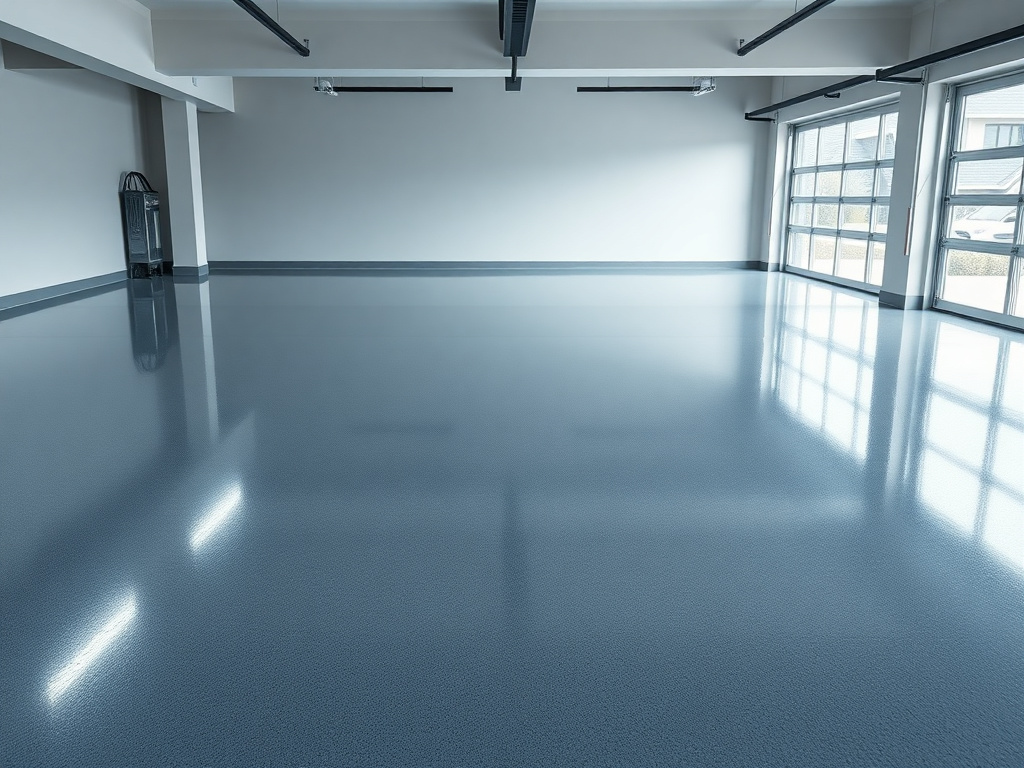
Epoxy still has a real place in a Phoenix floor system — it lays down thick, bonds hard as a base, and resists chemicals — but bare epoxy alone struggles in the desert sun and under hot summer tires. The smart-money build for most Valley garages is a hybrid: a thick epoxy base for body and adhesion, sealed under a flexible, UV-stable polyaspartic topcoat. This page is the honest breakdown of where epoxy wins, where it fails, and how we make it last.
$4-6/sf
Typical Epoxy Range
Epoxy-based builds often start lower per foot than full polyaspartic systems.
2-3 days
Full Cure
Epoxy crosslinks slowly, so an epoxy-heavy floor needs multiple days before vehicle traffic.
1 topcoat
The Difference-Maker
A polyaspartic wear coat over epoxy fixes UV yellowing and hot-tire pickup.
Where Epoxy Still Makes Sense
Epoxy earns its reputation as a base layer. It is a high-build material, meaning it lays down thick in a single pass, filling minor surface texture and giving the floor real body. It bonds aggressively to a properly ground slab, and it resists many oils, solvents, and automotive chemicals that get spilled in a garage.
That thickness and chemical toughness make epoxy an excellent foundation, especially over rough or repaired concrete that benefits from a heavier build. For budget-conscious jobs where cost matters more than the last few years of lifespan, an epoxy-forward system can be the right call.
Where epoxy stops making sense is as the final, exposed surface in a hot, sunny Arizona garage. Its strengths are structural; its weaknesses show up exactly where the sun and the tires touch it. That is the line polyaspartic crosses better.
Why Bare Epoxy Struggles in Arizona
We would rather tell you this up front than have you discover it in two summers. Bare epoxy has three real weaknesses in the desert, and pretending otherwise is how customers end up with peeling floors.
First, UV. Epoxy is an aromatic chemistry that ambers and chalks under sunlight, so an exposed epoxy floor near a west-facing door yellows unevenly within a couple of years. Second, hot tires. Epoxy is rigid, and a summer-hot tire grips that brittle film and lifts it as it cools, leaving tread-shaped bare patches. Third, moisture. A slab that pushes vapor from below can drive an epoxy film off the concrete if the slab was not tested and prepped for it.
None of this means epoxy is bad. It means bare epoxy is the wrong final layer here. Every one of these weaknesses is solved by capping the epoxy with the right topcoat and by testing the slab before we start.
Our Epoxy-Base Plus Polyaspartic-Topcoat Hybrid
The hybrid system is the best of both chemistries and, for most Phoenix garages, the smart-money choice. We use a thick epoxy base for its body, adhesion, and chemical resistance, then seal it under a flexible polyaspartic wear coat that takes all the UV and all the tire contact.
This layering assigns each material to what it does best. The epoxy never sees the sun or the tire directly, so its brittleness and UV weakness stop mattering. The polyaspartic flexes with the heat cycle, holds its color, and resists hot-tire pickup, while the epoxy underneath gives the floor a thickness and toughness a thin topcoat alone cannot.
You get a floor that costs less than a full multi-coat polyaspartic build but still survives the Arizona conditions that destroy bare epoxy. That is why we recommend the hybrid far more often than epoxy-only.
Surface Prep and Moisture Testing
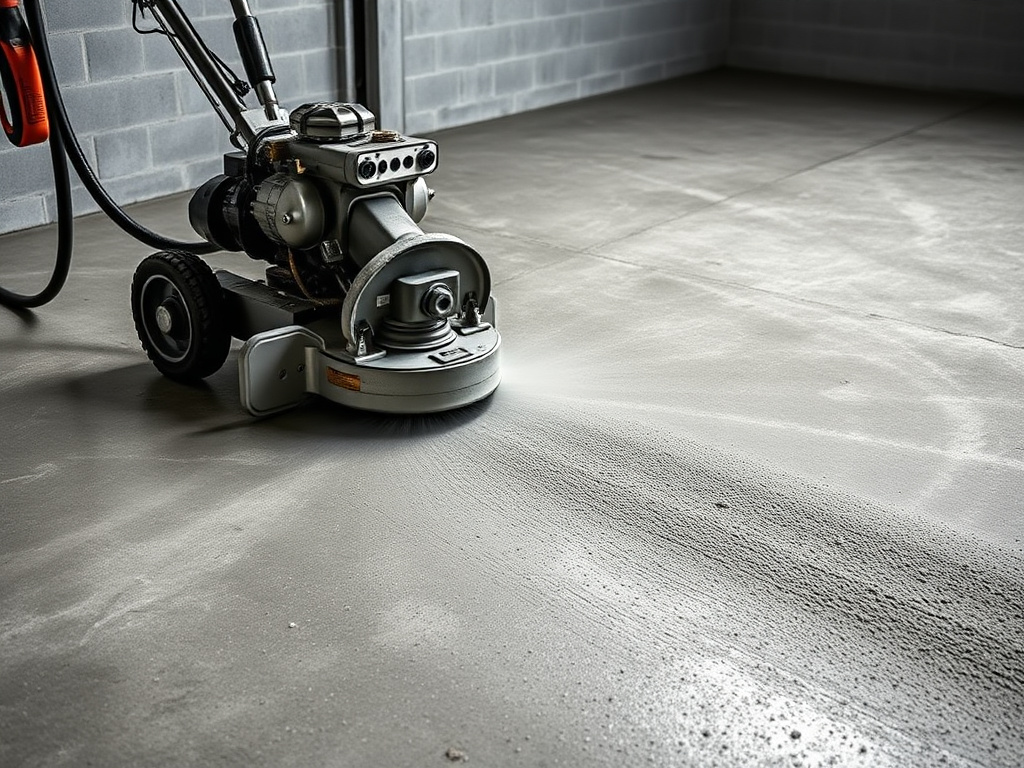
The step that separates a ten-year floor from a peeling one is prep, and with epoxy it is even more critical because epoxy is unforgiving of a weak bond or a wet slab. We do not etch and hope — we mechanically profile and test.
- Diamond grinding — profile the entire slab to open the pores and remove old coatings, sealer, and contamination.
- Contamination removal — grind out oil-saturated zones and degrease so the epoxy bonds to clean concrete.
- Moisture testing — run a calcium chloride or relative-humidity probe to confirm the slab is not driving vapor that would push the coating off.
- Crack and spall repair — fill and re-grind flush so the base coat has a sound, continuous surface.
- Vacuum and prime — remove all grinding dust and lay the base into a clean profile while it is fresh.
Epoxy Floor Cost in Phoenix and Realistic Lifespan
Epoxy-based builds often start a little lower per foot than full polyaspartic systems, which is part of the appeal, but the honest comparison is about lifespan and where the floor lives. The table below is how we frame the three common options for a Valley garage.
The takeaway is not that epoxy is cheap and bad — it is that the polyaspartic topcoat is what buys the years in our climate, and the hybrid captures most of that value at a lower cost than a full polyaspartic build.
| System | Cost | Lifespan | UV | Best For |
|---|---|---|---|---|
| Epoxy only | Lowest | Shorter, especially if sun-exposed | Ambers and chalks | Budget, shaded, low-traffic slabs |
| Epoxy + polyaspartic hybrid | Mid | Long | Stable (topcoat protects) | Most Phoenix garages |
| Full polyaspartic | Highest | Longest | Excellent | Max durability and fastest install |
Is Epoxy Right for You? Free Assessment
Whether epoxy, the hybrid, or full polyaspartic is right for your floor depends on the slab, how the space is used, how much sun it takes, and your budget. There is no single right answer, and we will tell you honestly which build fits — including when a plain epoxy floor is genuinely fine for a shaded, low-traffic space.
What we will not do is sell you bare epoxy for a sun-baked, daily-driven garage and let you find out about hot-tire pickup the hard way. Trust is built by being straight about the tradeoffs before the quote, not after the failure.
Call 844-967-5247 for a free on-site assessment. We measure, check moisture, look at your sun exposure and usage, and recommend the system that gives you the most floor for your money.
Common Questions
Epoxy Floors FAQs
Straight answers from a Phoenix floor-coating contractor. More on our full FAQ page.
Have a different question? Read all our FAQs or see our 2026 polyurea vs epoxy guide.
Related Services
You Might Also Need
Polyaspartic 1-Day
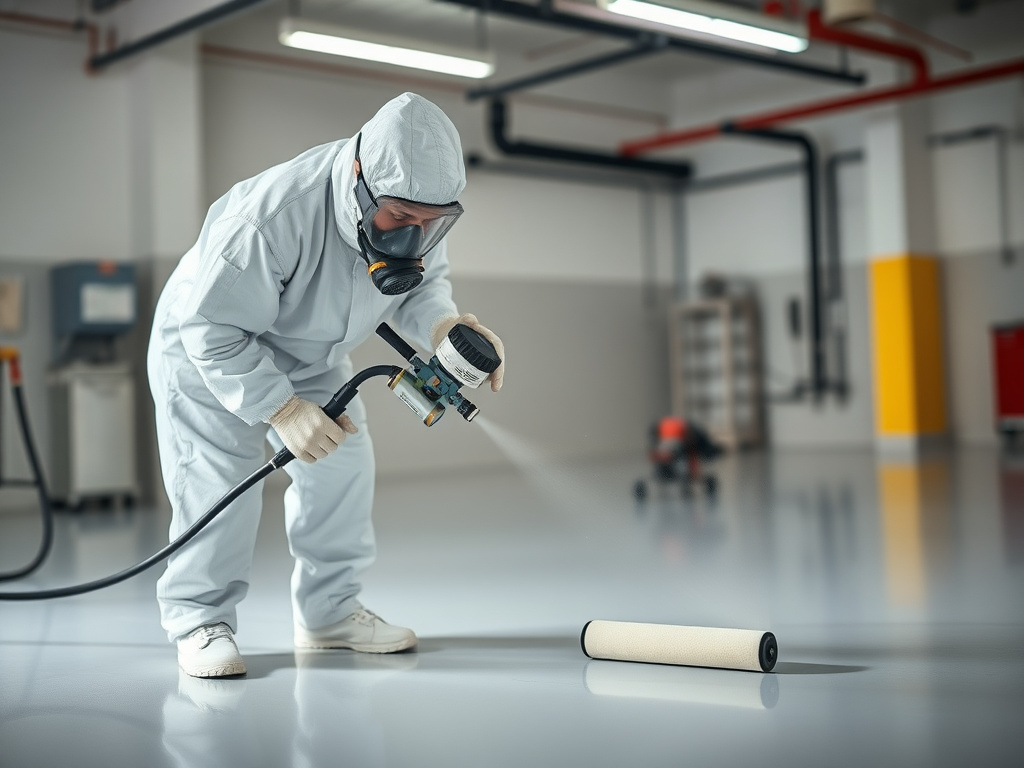
The fast-cure, UV-stable system we grind, coat, and topcoat in one day — walk on it in hours, park on it tomorrow.
Garage Floor Coating
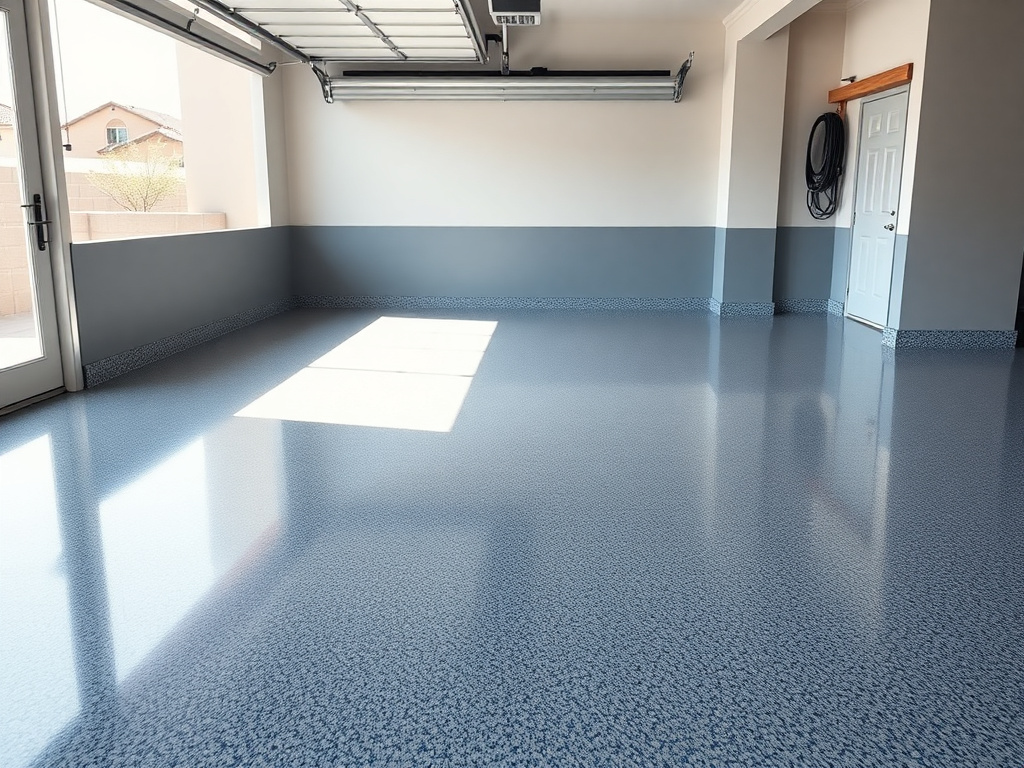
A full flake-and-topcoat system that turns dull, stained concrete into a glossy, hot-tire-proof floor — installed in a single day.
Concrete Repair & Prep
The floor under the coating decides everything — diamond grinding, crack and spall repair, and moisture testing done right.
Ready for a Floor That Beats the Arizona Heat?
Get a free, no-pressure quote for your garage, patio, pool deck, or commercial floor. We diamond-grind, moisture-test, and install a UV-stable, hot-tire-proof coating — most residential floors done in a single day.